
You're Handed a Comparative Market Analysis (CMA) - So What?

How to Actually Read a CMA Like an Agent Does
Comparable sales reports, comps for short, get handed to buyers and sellers all the time, and a lot of people nod along politely without actually knowing what they're looking at. Here's how to read one the way an agent actually does.
Start with the basics: address, sale price, and sale date. Recency matters more than people think. A comp from ten months ago in a shifting market tells you a lot less than one from six weeks ago, so always check the date before you trust the number.
Square footage and lot size come next, and this is where people get tripped up comparing a home to something that only sounds similar. A three bedroom, two bath home at 1,400 square feet is not really comparable to a three bedroom, two bath home at 2,200 square feet, even though the bedroom and bathroom count matches on paper.
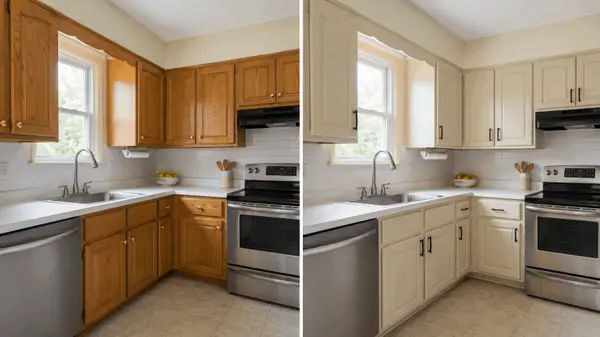
Condition and updates matter enormously and don't always show up clearly in a basic report. A comp that sold for a strong price might have had a fully renovated kitchen, while the house you're evaluating has the original one from 1985. Pull up photos of the actual comps, don't just trust the numbers in isolation.
Days on market tells its own story. A home that sold in five days suggests strong demand at that price point. A home that sat for ninety days before selling, even at a similar final price, suggests the market needed convincing, which is useful context for how aggressively to price your own situation.
List price versus sale price is worth checking too. If comps are consistently selling above list, that tells you something about buyer competition in the area. If they're consistently selling below list, that's a different signal entirely, and it should shape your expectations accordingly.
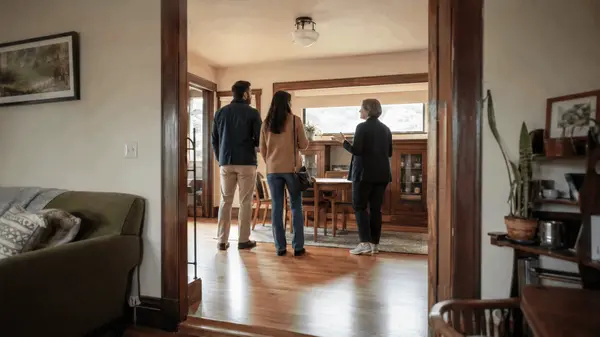
Location within the comp matters more than a report will ever capture. Two homes on the same street can differ in value based on things a spreadsheet doesn't show, busy street versus quiet cul de sac, backing up to a park versus backing up to a parking lot. This is exactly the kind of local knowledge a report can't replace, and honestly, it's a big part of what you're paying an agent for.
The short version. Comps are a starting point, not a verdict. Reading them well means asking what's actually similar and what only looks similar on paper, which takes some practice and, frankly, a lot of local context.
Categories
Recent Posts