
Ready for a 9-10% raise? May be time to move.
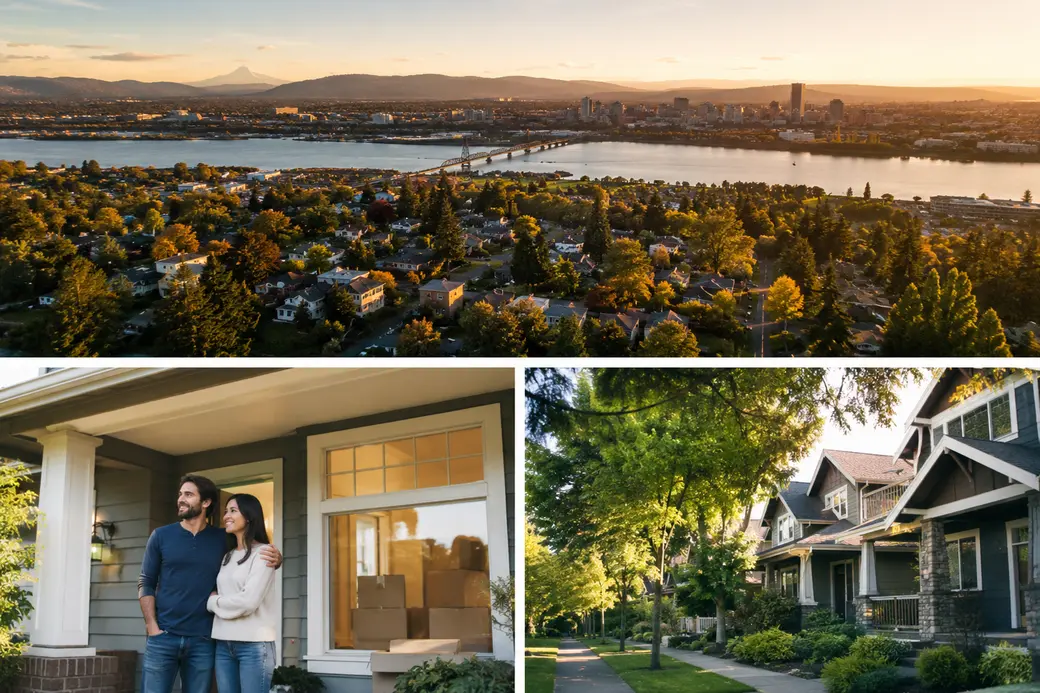
Moving to Vancouver WA From Portland: The Complete 2026 Guide
If you've been living in Portland and wondering whether Vancouver, Washington might actually be the smarter move - you're not alone. Over the past few years, a steady stream of Portland residents has crossed the river and never looked back. Lower home prices, no state income tax, and a little more breathing room have made Clark County one of the most in-demand relocation destinations in the Pacific Northwest.
This guide covers everything you need to make that decision with confidence: the tax picture, the commute reality, the neighborhoods, the housing market, and the lifestyle trade-offs that most articles gloss over.
Why Portland Buyers Are Moving to Vancouver
The math is hard to ignore. Washington has no state income tax. Oregon's top marginal rate sits at 9.9%, and anyone earning a solid middle-class income is feeling it. For a household earning $100,000, that difference translates to roughly $7,000–$9,000 a year staying in your pocket — depending on deductions and filing status. Over a decade of homeownership, that's real money.
Beyond taxes, home prices in Clark County consistently run $75,000–$125,000 below comparable properties in Portland's eastside neighborhoods. You get more square footage, newer construction, and in most cases a larger lot — for less than you'd spend for an older home closer to Division or Hawthorne.
That combination — lower purchase price, lower carrying costs, and no income tax — is why so many Portlanders are doing the math and deciding to cross the bridge.
The Tax Picture: What You Actually Keep
Oregon's income tax is one of the highest in the nation. Washington has none. That's the headline, and it's a big one.
Here's the practical breakdown for someone earning $100K annually:
- Oregon income tax: approximately $7,200–$8,500 per year (depending on deductions)
- Washington income tax: $0
- Net annual difference: $7,000–$8,500 more in your pocket
Washington does have higher sales tax (around 8.5% in Clark County vs. Oregon's 0%), and property tax rates are generally comparable. But for wage earners, the income tax difference is the dominant factor, and it clearly favors Washington.
One thing to note: if you work in Oregon and live in Washington, Oregon will still tax your Oregon-sourced income. The benefit fully kicks in if you work in Washington or remotely. Remote workers see the biggest financial upside.
The Housing Market in 2026
Clark County's housing market has stayed competitive, but it's more accessible than Portland proper. As of 2026, median home prices in Vancouver WA hover in the $430,000–$480,000 range, compared to $520,000–$600,000+ for similar homes in Portland's eastside or inner SE neighborhoods.
Inventory has been tight across the metro, but Clark County tends to offer more new construction options — particularly in areas like Salmon Creek, Fisher's Landing, and the Battle Ground corridor. If you're open to newer builds, you'll find more choices here than you will inside Portland city limits.
The market moves fast. Desirable homes in Felida or Salmon Creek typically see offers within the first week. Coming in prepared — pre-approved, clear on your priorities, and working with an agent who knows both sides of the river — makes a meaningful difference.
The Commute: Let's Be Honest
The bridge situation is the most important thing to understand before you move, and it's the one topic that gets undersold in most relocation guides.
There are two bridges connecting Vancouver and Portland: the Interstate Bridge (I-5) and the Glenn Jackson Bridge (I-205). Both experience significant congestion during peak hours. If you're commuting into downtown Portland or the inner eastside daily, you should budget 35–60 minutes each way during rush hour — sometimes more.
This is not a dealbreaker for most people. Thousands of Clark County residents make this commute every day. But it's worth being clear-eyed about it. If your office is in downtown Portland and you have a hard 8am start, living in Felida means leaving by 7:00am or earlier.
The commute math changes significantly if you work remotely, work in Vancouver itself (which has a growing job market), or work in east Portland/Gresham — where the 205 bridge is much more manageable.
Vancouver WA Neighborhoods: A Quick Overview
Vancouver isn't one thing — it's a collection of distinct communities with different personalities and price points. Here's a brief orientation:
Felida
Northwest Vancouver's most sought-after area. Established neighborhoods, mature trees, excellent schools, and a quieter, more suburban feel. Median home prices: $550,000–$700,000+. Best for: families, buyers coming from Portland's westside who want a similar vibe with less traffic.
Salmon Creek
A mix of established and newer construction. Good schools, close to PeaceHealth Southwest Medical Center, and a strong sense of community. Median prices: $450,000–$580,000. Best for: families with school-age kids, healthcare workers, buyers who want walkability to services.
Fisher's Landing
East Vancouver, close to the 205 corridor. Newer homes, good access to shopping and the Gateway area. Feels more suburban, less wooded than northwest Vancouver. Median prices: $420,000–$530,000. Best for: commuters using the 205 bridge, buyers prioritizing newer construction.
Downtown Vancouver / Waterfront
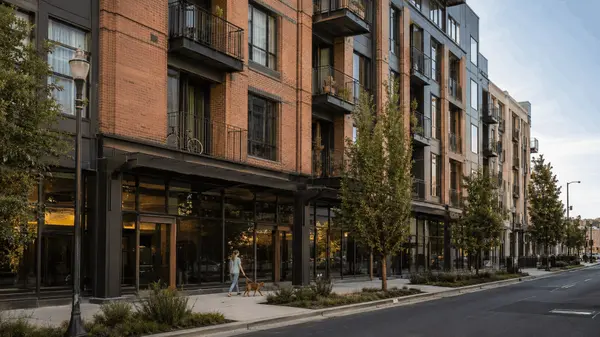
The most urban part of Vancouver, with walkable blocks, new waterfront development, and a growing food and arts scene. Condos and townhomes dominate. Prices vary widely. Best for: buyers coming from Portland's Pearl or inner NE who want urban energy without Portland prices.
Cascade Park
A well-established eastside neighborhood with good schools and easy highway access. Mix of ranch homes and two-stories from the 80s and 90s. Median prices: $390,000–$480,000. Best for: first-time buyers, value seekers, buyers who prioritize space over style.
What Changes When You Move to Washington
It's not just your address that changes — there are a few practical switches to plan for:
- Driver's license: You have 30 days after establishing Washington residency to get a WA license. Visit a WA DOL office — no test required if your Oregon license is current.
- Vehicle registration: Also required within 30 days. WA tabs are annual.
- Voter registration: You'll need to re-register to vote in Washington.
- Oregon shopping habit: Many Vancouver residents still drive to Oregon for larger purchases to avoid sales tax. It's a thing, and it's worth knowing about.
- Banking and mail: Update your address early — this one seems obvious but tends to trail everything else.
Is Vancouver Right for You?
Vancouver WA is a great fit if you're a remote worker or Washington-based employee who wants more home for your money and a significant tax advantage. It's also a strong choice for families who prioritize good schools, newer construction, and a quieter pace without giving up easy access to Portland's amenities.
It's less ideal if your daily commute anchors you to downtown Portland and schedule flexibility is limited — or if walkable urban living is your top priority (though downtown Vancouver and the waterfront district are changing that calculus).
The best way to know is to spend some time here with someone who knows the territory. If you're thinking about making the move, I'd love to show you around.
→ Ready to explore? Contact Cedar & Stone Realty Group to schedule a buyer consultation.
Categories
Recent Posts