
SW Portland: Goose Hollow, the West End & Downtown
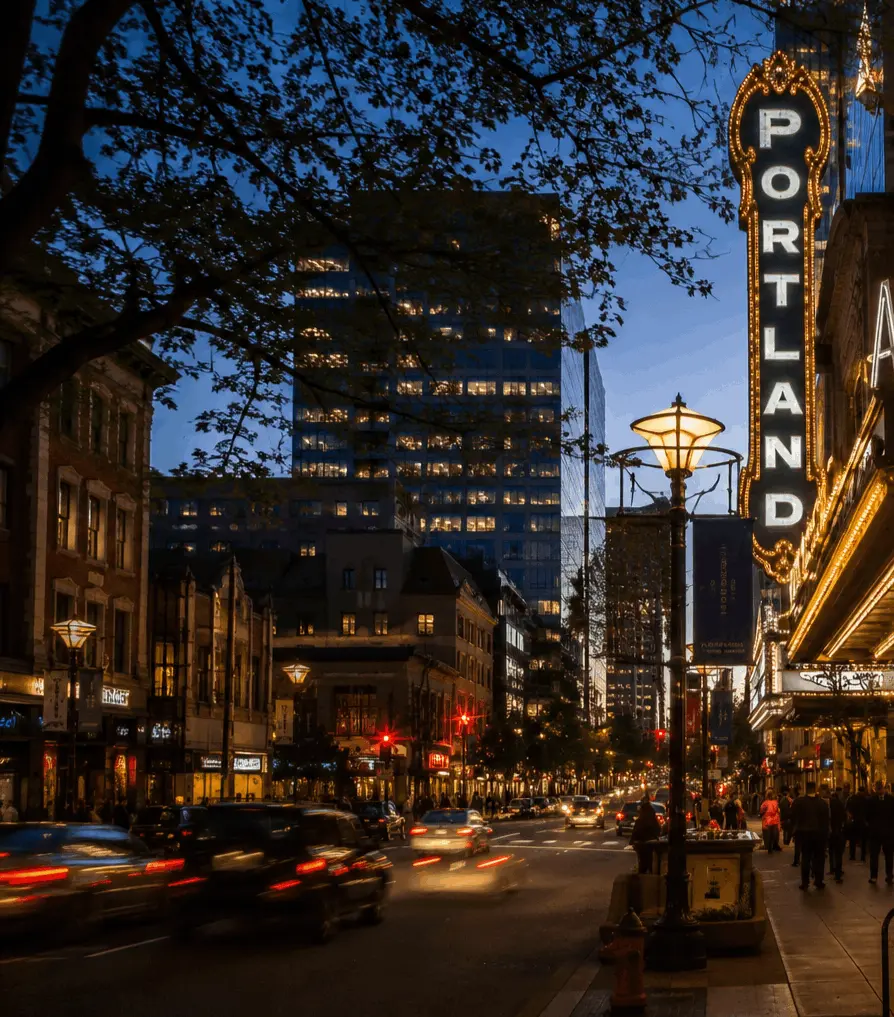
There is a version of urban living where culture is something you drive to. And then there is living in Goose Hollow or the West End, where the Arlene Schnitzer Concert Hall is a four-minute walk and the question on a Thursday night isn't whether to go out, but which of the three things happening within six blocks to choose.
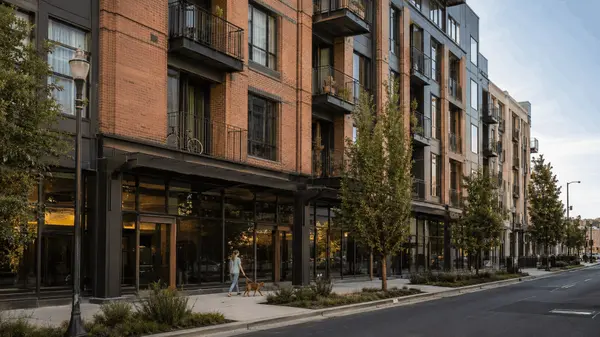
The neighborhoods immediately west and south of downtown Portland: Goose Hollow, West End, and the blocks straddling SW Morrison, Jefferson, and the Park Blocks. These represent Portland's most genuinely urban residential option. For the right buyer, nothing else in the city compares.
The Cultural Infrastructure
What makes this corner of SW Portland distinctive isn't just proximity to downtown — it's the specific concentration of cultural institutions that exist here and nowhere else in Portland:
- The Arlene Schnitzer Concert Hall - home of the Oregon Symphony, one of the Pacific Northwest's premier performance venues
- Keller Auditorium - major touring productions, opera, Broadway
- Portland Center Stage at The Armory - one of Portland's most respected theater companies, housed in a stunning renovated historic building in the Pearl District adjacent
- The Portland Art Museum - recently remodeled and the oldest art museum on the West Coast, anchoring SW Park Avenue
- The West End's growing boutique, restaurant and bar scene, centered on SW 10th and 11th - independent, serious, increasingly recognized nationally
- Powell's City of Books on W Burnside - the flagship store, walkable from most Goose Hollow addresses
The MAC Club and the Arlington Club, two of Portland's oldest and most established private social clubs are both in this corridor, a detail that signals something about the neighborhood's long history as Portland's institutional center of gravity.
Goose Hollow Specifically
Goose Hollow sits just west of the South Park Blocks, between Burnside and the Vista Bridge. It's one of Portland's oldest neighborhoods and has a history that predates the city's current identity by decades. MAC Club has been here since 1891.
Providence Park, home of the Portland Timbers and Thorns, sits squarely in Goose Hollow. On match days, the neighborhood buzzes in a way that's genuinely energizing if you're into it (and worth knowing about if you're not). Most residents make peace with it quickly; the energy is contained, and the foot traffic disperses fast.
The housing stock in Goose Hollow is primarily condos and older apartment buildings, with some historic single-family homes on the blocks closer to the West Hills. The neighborhood rewards buyers who understand its layered history as there's more architectural character here than a quick drive-through reveals.
The West End
The West End. It's roughly the blocks between SW 9th and 14th, from Burnside south to Jefferson has emerged as one of Portland's most interesting urban neighborhoods over the past decade. What was once a transitional stretch between downtown and the more residential west side has developed a genuine identity: independently owned restaurants with serious culinary ambitions, wine bars, coffee, and boutique retail.
The West End is still becoming rather than finished, which is part of what makes it interesting. The bones have been there for decades; the architecture, the walkability, the proximity to the Park Blocks. What's changed is the quality and density of what's opened at street level. Buyers who bought in the West End five years ago have watched the neighborhood improve around them. That trajectory continues.
The Housing Market
The housing stock in this corridor is primarily condos and attached homes, which is appropriate for its density and urban character. Options range significantly by building age, size, and amenities:
- Smaller condos in older buildings: $320,000–$480,000
- Mid-range condos with updated finishes: $480,000–$680,000
- Larger units in premium buildings with views or doorman service: $700,000–$1.2M+
- Rare single-family homes in Goose Hollow: $650,000–$900,000+
HOA fees vary considerably and are worth scrutinizing carefully as some buildings carry fees that meaningfully affect monthly carrying costs. A buyer's agent who knows the buildings is worth having here more than in almost any other SW neighborhood.
Getting Around Without a Car
This is the only SW Portland neighborhood where a car-optional lifestyle is genuinely achievable. The MAX light rail runs through the area, bus service is frequent, and the concentration of daily amenities; grocery, pharmacy, coffee, dining, entertainment, are all within walking distance.
For buyers coming from other major cities who consider walkability non-negotiable, this is where the search in SW Portland begins and often ends.
Who This Neighborhood Is For
The buyer who lands happily in Goose Hollow or the West End has usually made a specific decision: they want to be inside Portland's cultural and urban life rather than adjacent to it. Often empty nesters who've downsized from a larger SW or Eastside home. Sometimes buyers relocating from Seattle, San Francisco, or Chicago who expect a certain baseline of urban amenity and won't accept less. Occasionally a first-time buyer who has done the math and decided that a smaller space in a better location is the right trade.
What they share is an orientation toward the city as a place to live in, not just sleep in. If that's you, this neighborhood delivers.
→ Cedar & Stone Realty Group knows SW Portland's urban core well. Let's find the right building and block for you.
Categories
Recent Posts