
SW Portland: A Neighborhood-by-Neighborhood Guide (2026)
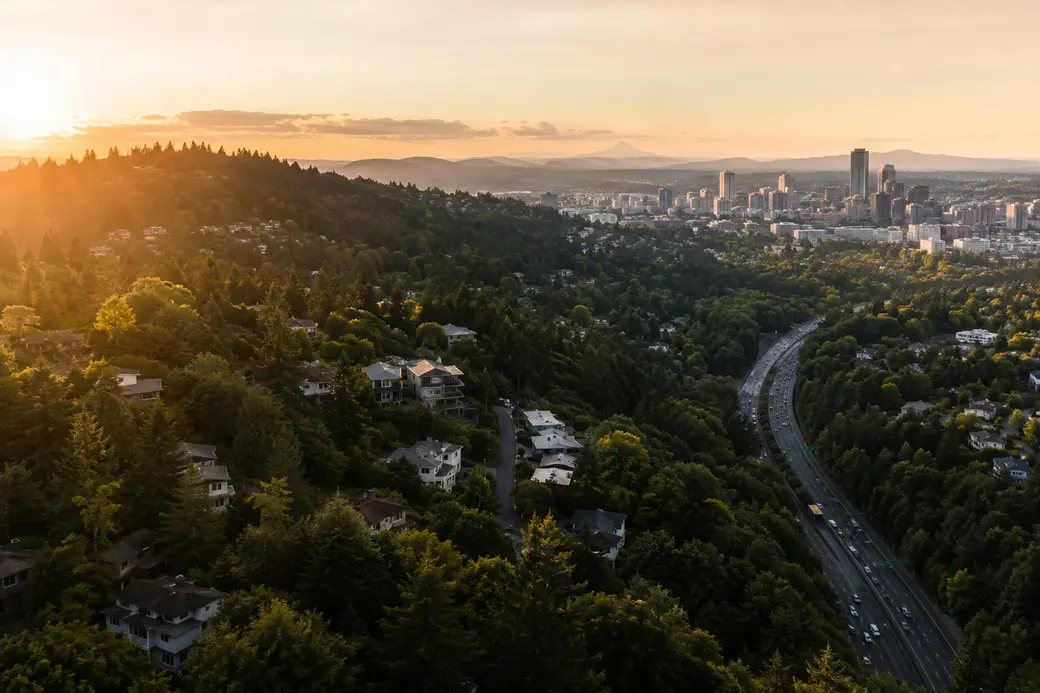
SW Portland is the part of the city that people who don't live there tend to misread. From the outside, it looks like a single category: the hills, the money, the west side. From the inside, it's four or five genuinely distinct places with different characters, different price points, and different reasons to love them.
This guide covers the neighborhoods that matter most for buyers considering SW Portland in 2026: the urban core around Goose Hollow and the West End, the self-contained village of Multnomah, the elevated prestige of the West Hills and Portland Heights, and the quieter, more accessible corridor along Terwilliger Boulevard through Maplewood and the Lewis & Clark area. Each one is worth understanding on its own terms.
What SW Portland Is — and Isn't
SW Portland occupies the area south and west of downtown, bounded roughly by the Willamette River to the east, the West Hills to the west, and Multnomah County's southern border below. It encompasses everything from some of Portland's most urban blocks to some of its most wooded and secluded residential streets.
What it doesn't have, and what surprises many buyers, is the light-rail grid that defines eastside Portland's connectivity. SW Portland is more car-dependent than inner NE or SE, with the exception of the downtown-adjacent neighborhoods. For buyers coming from the eastside, that's worth factoring in. For buyers coming from the suburbs, it's barely noticeable.
What SW does have: some of Portland's most architecturally significant homes, the best elevated views in the city, a level of institutional and cultural infrastructure that no other quadrant can match, and neighborhoods that have been desirable for a long time and show every sign of staying that way.
Goose Hollow / West End / Downtown SW: The Urban Core
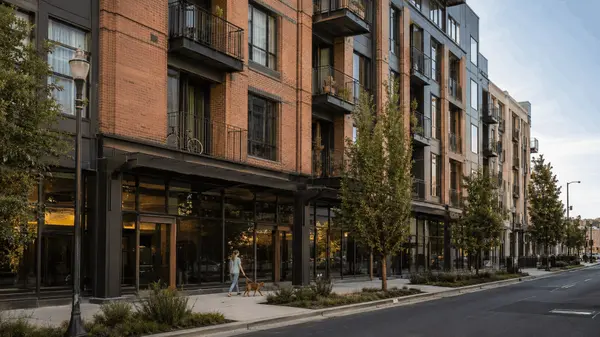
The neighborhoods immediately west of downtown: Goose Hollow, the West End, and the blocks surrounding Portland's theater and concert district all offer the most urban version of SW Portland living. The MAC Club, the Arlene Schnitzer Concert Hall, the Keller Auditorium, Powell's on Burnside, the West End's emerging restaurant and bar scene: all of it is walkable from the right address.
This is the buyer who wants cultural access as a daily amenity, not a weekend destination. Condos and townhomes dominate the housing stock. Prices range from the mid-$300s for smaller condos to $800,000+ for larger units in premium buildings. There is a small smattering of detached single family homes as well.
Multnomah Village: The Village That Refused to Be a Suburb
Multnomah Village is one of Portland's most distinct neighborhoods. It is a genuine commercial village that somehow maintained its identity through decades of suburban sprawl surrounding it. SW Capitol Highway through the village has independent restaurants, coffee shops, bookstores, and local businesses that function as a true neighborhood center.
The residential streets around the village are a mix of craftsman bungalows and mid-century homes, with prices ranging from $475,000 to $700,000 for most single-family properties. The buyer here is usually someone who did their research, and Multnomah Village rewards it.
West Hills / Portland Heights: The Prestige Tier
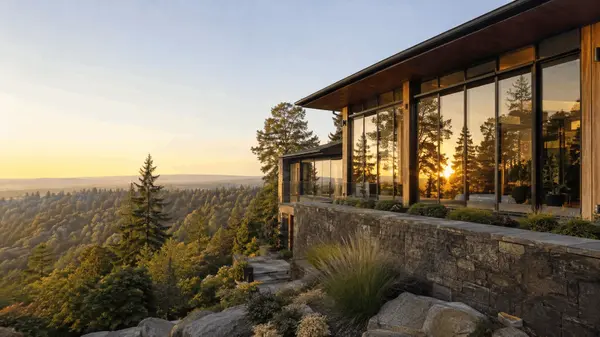
The West Hills and Portland Heights represent SW Portland at its most elevated - literally and figuratively. Wooded lots, significant architecture, views of the city and mountains, and a level of privacy and seclusion that is genuinely unusual this close to a city center. Council Crest, the highest point in Portland, sits in the middle of it.
Homes here range from $700,000 to well over $2 million depending on lot size, views, and architectural significance. This is old Portland money territory, and the neighborhood reflects it in every detail; from the mature tree canopy to the quiet that descends after dark.
Terwilliger / Lewis & Clark / Maplewood: The Hidden SW
East of I-5, a quieter and more accessible version of SW Portland unfolds along the Terwilliger Boulevard corridor. The Lewis & Clark College campus brings academic energy and some of Portland's most beautiful institutional grounds. Terwilliger Boulevard itself is one of the city's great recreational corridors — a wooded parkway trail used daily by runners, cyclists, and walkers that would be famous if it were in any other neighborhood.
The surrounding neighborhoods; Maplewood, Arnold Creek, the blocks around Ida B Wells High School, are established, well-maintained, and significantly more affordable than the West Hills above. Homes typically run $450,000–$750,000 for single-family properties, with more square footage and larger lots than comparably priced eastside homes.
How to Think About SW Portland as a Buyer
The common thread across all of SW Portland is a sense of permanence these are neighborhoods that have been desirable for a long time and have the infrastructure, the schools, and the natural setting to stay that way.
- Want maximum walkability and cultural access? Start in the West End and Goose Hollow.
- Want a neighborhood with genuine village identity? Multnomah Village is the answer.
- Want elevation, views, and architectural significance? West Hills and Portland Heights.
- Want established SW character at a more accessible price? Terwilliger corridor and Maplewood.
→ Cedar & Stone Realty Group serves buyers across SW Portland and the greater metro. Let's find the right neighborhood for you.
Categories
Recent Posts