
What Happens When Sellers Wait Too Long to List?

SELLER INSIGHTS | CEDAR & STONE REALTY GROUP | 2026
What Happens When Sellers Wait Too Long to List?
I talk to sellers every week who are waiting. Waiting for rates to drop. Waiting for spring to really hit its stride. Waiting for one more thing to get done around the house. Waiting for a sign.
Some of that waiting makes sense. Life is complicated, and selling a home is a big decision. There's no perfect time, and I'd never push someone into a transaction before they're ready.
But some of that waiting? It costs real money. And the sellers who learn that lesson usually learn it the hard way — after the market has moved past them.
Here's what actually happens when sellers hold off too long, based on what I see in the Portland metro right now.
The market doesn't wait for you
One of the most common things I hear is: "We're going to wait and see how spring goes." And I get it — spring feels like the natural time to sell. More buyers, more activity, more competition for your home.
But here's the thing about spring: every other seller in your neighborhood is thinking the same thing.
The February 2026 RMLS data tells the story clearly. New listings in the Portland metro were up 17.1% compared to February 2025. Inventory has been climbing since late last year. We're sitting at 3.6 months of supply — still technically a seller's market, but trending away from the extreme inventory tightness we saw a few years ago.
What that means practically: the sellers who list in late February and early March are stepping into a market with less competition. The sellers who wait until May are stepping into a market where their home is one of dozens in their price range. Same house. Meaningfully different landscape.
The best time to be the only house your buyers are looking at is before everyone else lists.
I've watched this play out enough times to say it with confidence: in a market with rising inventory, early movers have the advantage. The sellers who wait for the peak often end up competing in it instead of leading it.
Days on market is not your friend
In February 2026, the average home in the Portland metro sat on the market for 91 days. That's 12 days longer than January, and meaningfully higher than the same time last year.
Ninety-one days is a long time. It's three mortgage payments. It's three months of carrying costs, utilities, maintenance, and the emotional weight of a home that hasn't sold.
But the real cost of extended market time isn't financial — it's psychological. Buyers notice. Their agents notice. When a home has been sitting for 60, 70, 80 days, the question that every buyer asks is: what's wrong with it?
A long days-on-market number is a scarlet letter. Even when there's nothing actually wrong, buyers assume there is.
Sometimes sellers end up in extended market time because they priced too high. Sometimes it's because they listed at the wrong moment and got lost in a crowded field. Either way, the outcome is the same: price reductions, concessions, and a final sale price that's almost always lower than what a well-timed, well-priced listing would have achieved.
The sellers I've seen get the cleanest outcomes are the ones who listed when the market was ready for them — not when they finally ran out of reasons to wait.
"I just need to finish a few more things" — the trap
This is the one that breaks my heart a little, because I understand it completely.
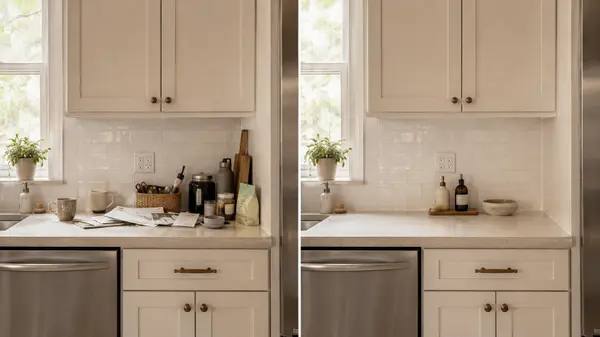
You've lived in this home for years. You know every imperfection. You've been meaning to repaint the guest bedroom. The deck has needed a board replaced since 2023. The garage is full of stuff that needs to go somewhere. And you can't bring yourself to list until it all feels done.
Here's the honest truth: most of what you're agonizing over, buyers won't care about. And some of what you're spending money to fix won't return a dollar at closing.
What matters and what doesn't
What buyers in 2026 actually notice:
- Systems — furnace, roof, water heater. If these are aging, address them or price accordingly.
- Cleanliness and condition. A spotless, well-maintained home reads as cared for, even with older finishes.
- Outdoor space. A deck with one replaced board reads fine. A deck that's visibly unsafe does not.
- Warm, neutral colors photograph well and make buyers feel at home. Cool grey everything does not.
What buyers in 2026 mostly don't care about:
- The guest bedroom that hasn't been updated since 2015.
- Appliances that work perfectly but aren't the latest stainless suite.
- A landscaping project that was never started.
- Cabinet hardware that you've always meant to swap out.
The trap is that sellers spend weeks — sometimes months — working through a list of things that won't move the needle, while the window when their home would have commanded the best price quietly closes.
Done is better than perfect. A house on the market in April beats a perfect house on the market in June.
The price reduction spiral
Here's the scenario I see more than any other. Seller waits. Lists later than they should have, into a busier market. Prices at the top of the range because they've been waiting a while and feel confident. Gets a few showings but no offers. Market time accumulates. Agent suggests a price reduction. Seller resists, then relents. Another few weeks pass. Another reduction. Final sale is significantly below where it would have been with a sharp price and a well-timed launch.
Every one of those outcomes was avoidable. And almost every time, the root cause was waiting too long and overpricing — the two most costly mistakes a seller can make, and the two that are most often made together.
I'm not saying this to scare anyone into a rushed decision. I'm saying it because I've watched good people leave real money on the table, and I'd rather be honest with you before you list than sympathetic after.
So what's the right time?
The right time to list is when your home is ready, your life is ready, and the market is favorable — and those three things rarely align perfectly. That's the honest answer.
But if I'm being direct about the Portland metro in 2026: the window between now and mid-May is the strongest selling environment we're likely to see this year. Buyer activity is up — pending sales jumped 10.5% in February compared to last year. There are buyers in this market who are actively making offers right now.
Inventory will continue to rise as spring deepens. The sellers who are on the market before that wave of new listings hits are the ones who get the clean, multiple-offer moments. The sellers who wait until everyone else lists are the ones who need price reductions to stay competitive.
If you've been thinking about selling — if it's been sitting in the back of your mind for months — the question isn't really whether to sell. The question is whether you want to be in front of the spring market or chasing it.
Waiting for the perfect moment usually means missing the best one.
What it looks like to work with us
At Cedar & Stone, we don't pressure anyone. But we do tell the truth — about timing, about pricing, about what buyers are actually looking for in your neighborhood right now. We'll walk through your home with you, give you an honest assessment of what's worth doing before you list and what isn't, and build a launch strategy that puts you in front of motivated buyers at the right moment.
If you've been on the fence, let's have a conversation. No obligation, no pressure — just a clear-eyed look at what your home is worth and when the right time to move might actually be.
Because the market won't wait. And the best time to sell is usually before you feel completely ready.
— Stacey
Cedar & Stone Realty Group | Serving the Portland Metro & Southwest Washington
Categories
Recent Posts